How to Check Batch Consistency in Wood Powder Activated Carbon
A practical guide to checking wood powder activated carbon across repeat orders, from the approved sample and lot-specific COA to incoming sampling and process trials.

A practical guide to checking wood powder activated carbon across repeat orders, from the approved sample and lot-specific COA to incoming sampling and process trials.
Water-extract conductivity can help buyers assess wood powder activated carbon for sensitive liquid processes. Learn how to compare test results and qualify a grade.
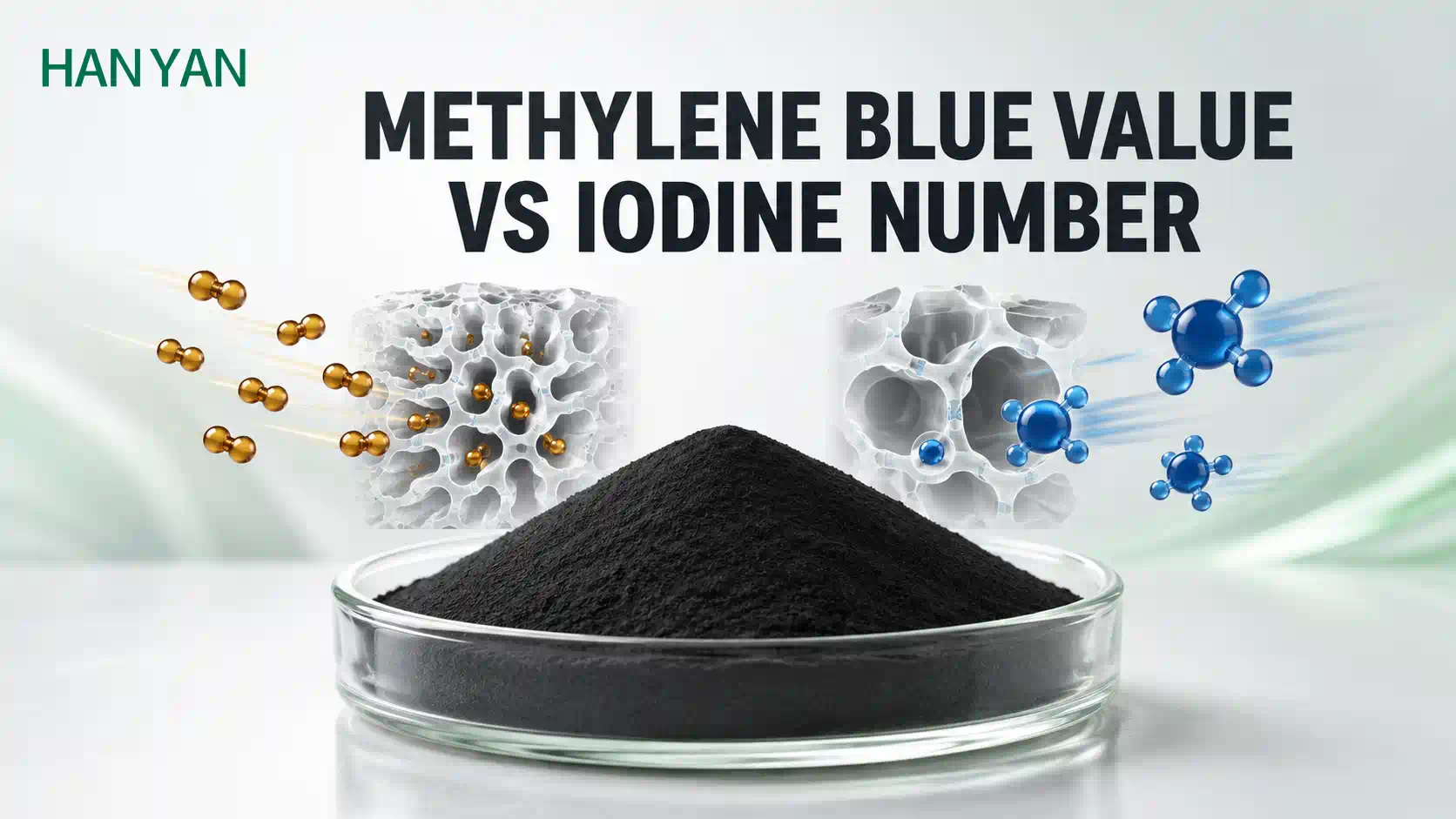
Iodine number alone cannot determine the decolorization performance of wood-based activated carbon. Learn how methylene blue value, pore structure and application testing should be evaluated together.
Wood-based powdered activated carbon helps remove color, odor and trace organic impurities during glycerin refining. Proper carbon selection and process testing are essential for achieving consistent purification results.
Ash content is an important quality indicator for wood-based activated carbon used in liquid purification. This article explains how ash may affect product purity, filtration, pH stability, and downstream processing, and what buyers should consider when selecting activated carbon for food and chemical applications.
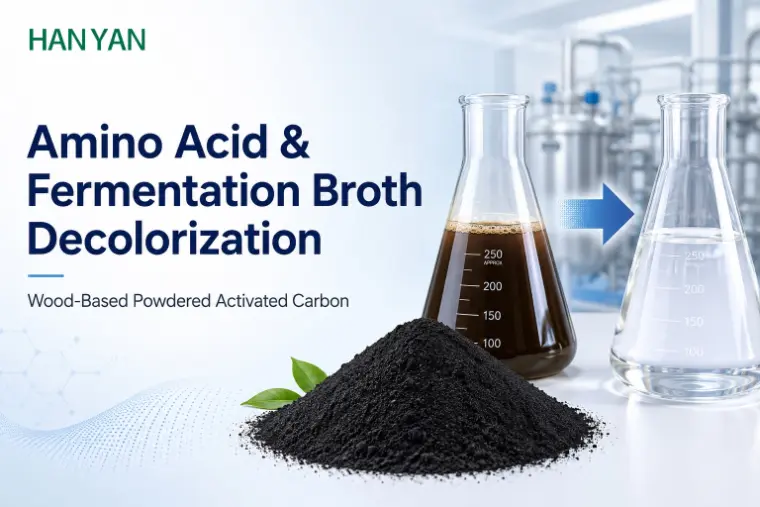
Amino acid and fermentation broth processing often requires effective decolorization to remove color bodies, organic impurities, and trace by-products. This article explains why wood-based powdered activated carbon is commonly used in fermentation broth purification, what factors affect treatment performance, and what buyers should confirm before selecting a suitable carbon grade.
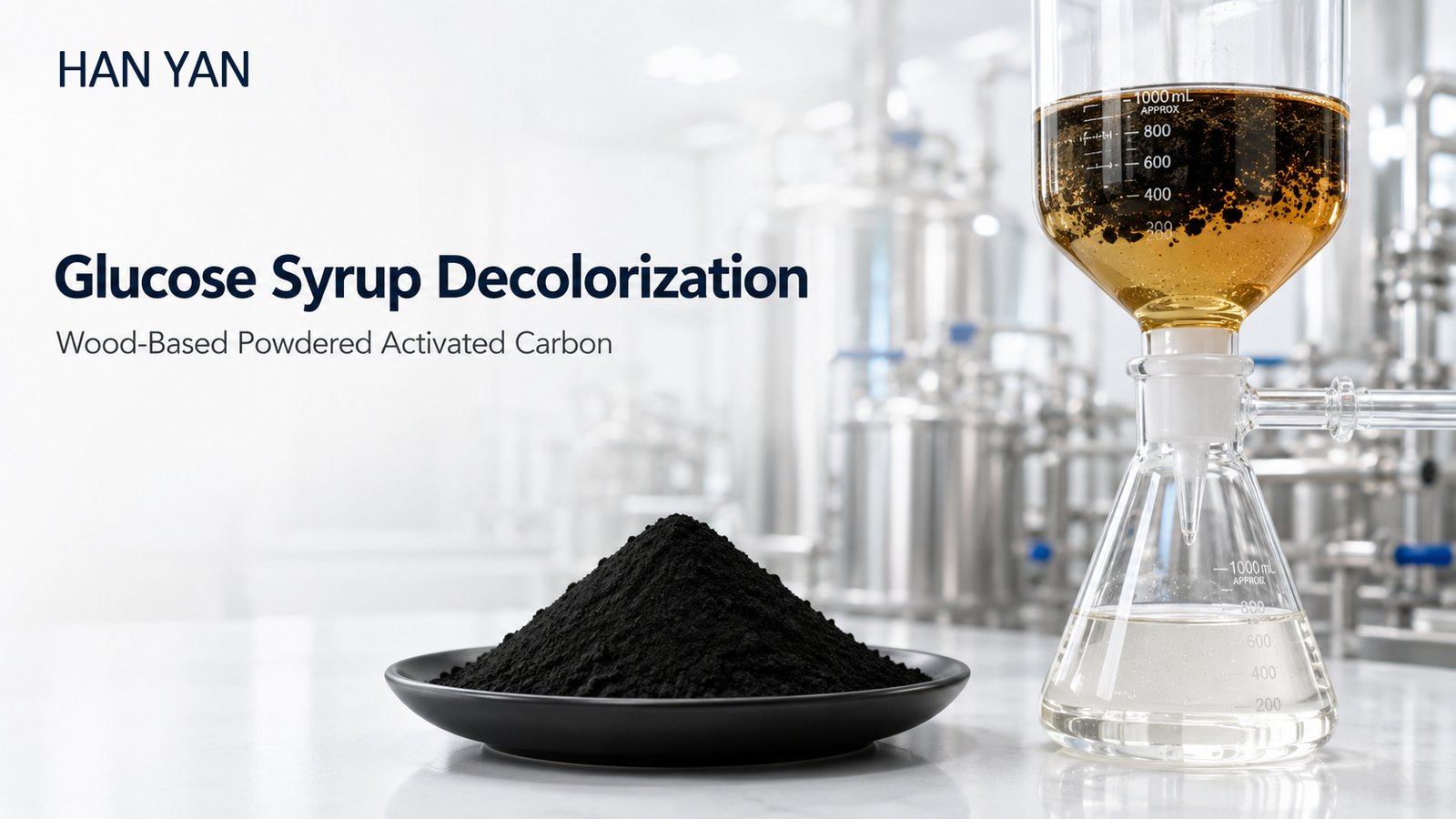
Glucose syrup processing often requires effective decolorization to improve product appearance, clarity, and downstream quality consistency. This article explains why wood-based powdered activated carbon is commonly used in glucose syrup purification, what affects decolorization performance, and what buyers should confirm when selecting a suitable carbon grade.
Rising phosphoric acid prices are increasing cost pressure on wood-based powdered activated carbon, especially for products produced through phosphoric acid activation. This article explains how raw-material market changes can affect activated carbon pricing, quotation validity, supply planning, and procurement decisions for decolorization and liquid purification applications.
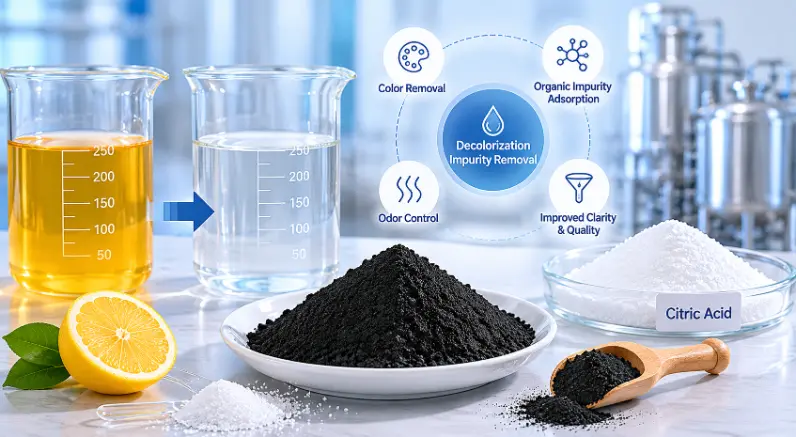
Citric acid production often requires decolorization and impurity removal after fermentation and purification steps. Wood-based powdered activated carbon is commonly used because it provides strong decolorization performance, fast adsorption, and good compatibility with liquid-phase food and fermentation processes. Selecting the right activated carbon grade can help improve solution clarity, reduce color bodies, and support stable final product quality.
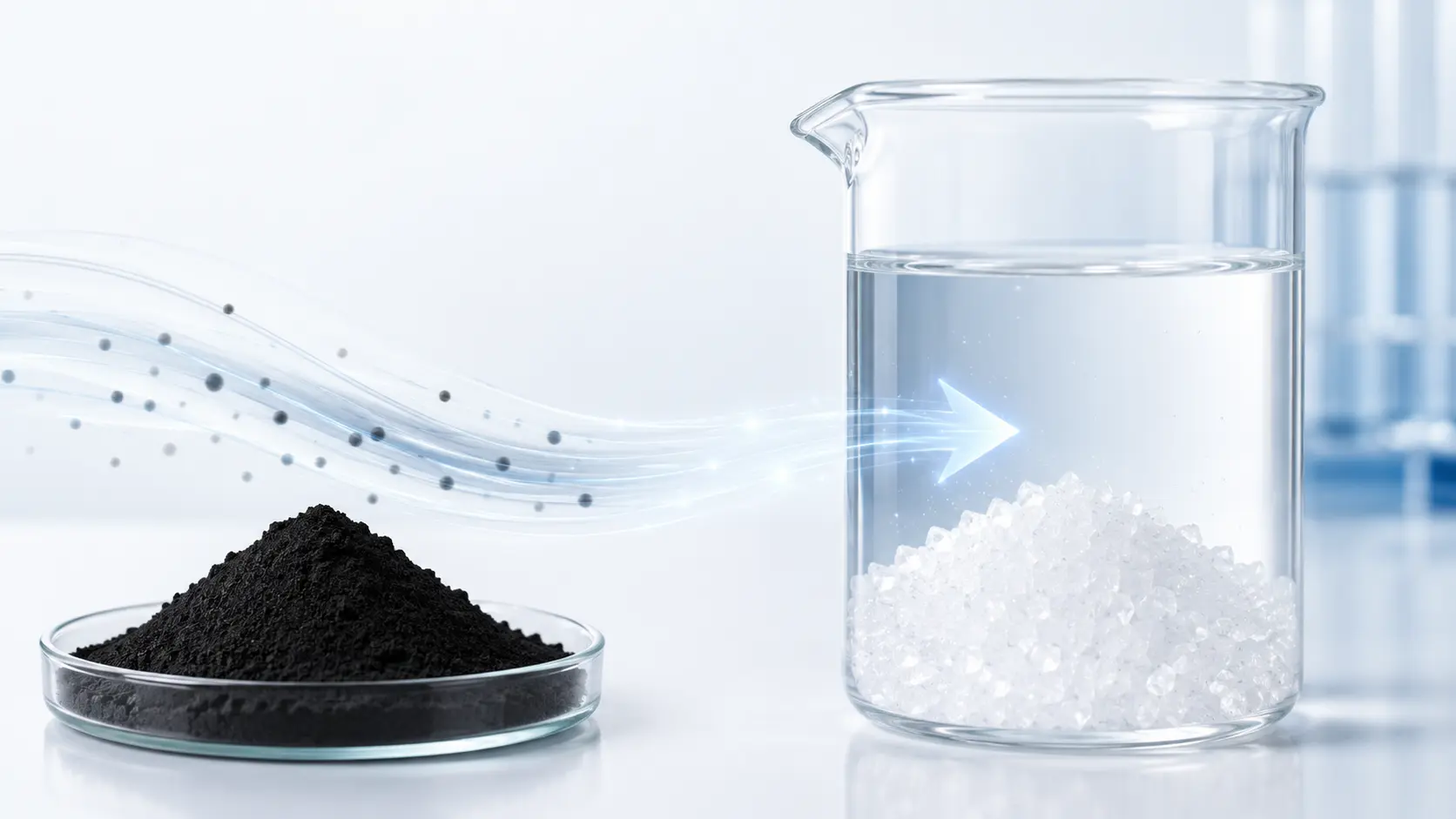
Wood powder activated carbon is widely used in erythritol purification to remove color bodies, organic impurities, odor substances, and trace by-products generated during fermentation and downstream processing. With its developed pore structure and strong decolorization performance, wood-based powdered activated carbon helps improve the clarity, purity, and appearance of erythritol solutions.