
Wood-based Activated Carbon:
Production methods: wood based activated carbon is produced from selected types of wood and sawdust, it is generally produced by either steam or phosphoric acid/zinc chloride activation.
Features: developed mesoporous structure, developed specific surface area, large adsorption capacity, fast filtration speed and no zinc salt.
Applications: It is widely used for decolorization, refining, deodorization and impurity removal of sugar, glutamate and salt, lactic acid and salt, citric acid and salt, wine, condiments, animal and plant proteins, biochemical products, pharmaceutical intermediates, vitamins, antibiotics and other products in the food industry.
Current Situation of Phosphoric Acid Market:
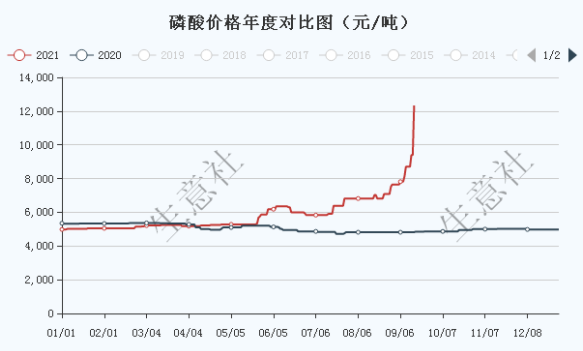
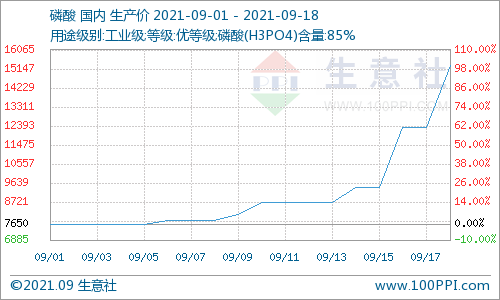
At present, the spot supply in the yellow phosphorus market is tight, and the price has increased significantly, driving the phosphoric acid market price to follow the upward trend. Since late August, the market price of phosphoric acid has been rising continuously.
Yellow Phosphorus Market:
Situation: short of supply, price continue to rise
Reasons:
- Environmental policy restriction. The Yunnan national development and reform commission has published a policy on 11 September, stipulates a production restriction for yellow phosphorus – a raw material for phosphoric acid produced through the furnace process. According to the policy, monthly production of yellow phosphorus during September-December should be less than 10% of output in August.
- Production restriction. At present, due to the low start-up of yellow phosphorus enterprises under environmental protection supervision and power limitation, yellow phosphorus supply is difficult to ease , and the price continues to rise.
- Demand exceeds supply. Downstream industries have great demand for yellow phosphorus, especially phosphate fertilizer and lithium battery.
Result:
Accordingly phosphoric acid is also short of supply, price goes high and the rate of increase is uncertain and unpredictable. The production cost of wood activated carbon increase by 500%.
Wood Activated Carbon Supply Situation:
Short term: price increase, quotation validity period shortened, available wood activated carbon supply quantity decrease.
Long term: manufacturers cut down production or even close down, wood activated carbon will be seriously in short supply.
Suggestion: Clients should adjust purchasing schedule and keep wood activated carbon in stock to ensure normal business processes are maintained.