How Rising Phosphoric Acid Prices Affect Wood-Based Powdered Activated Carbon
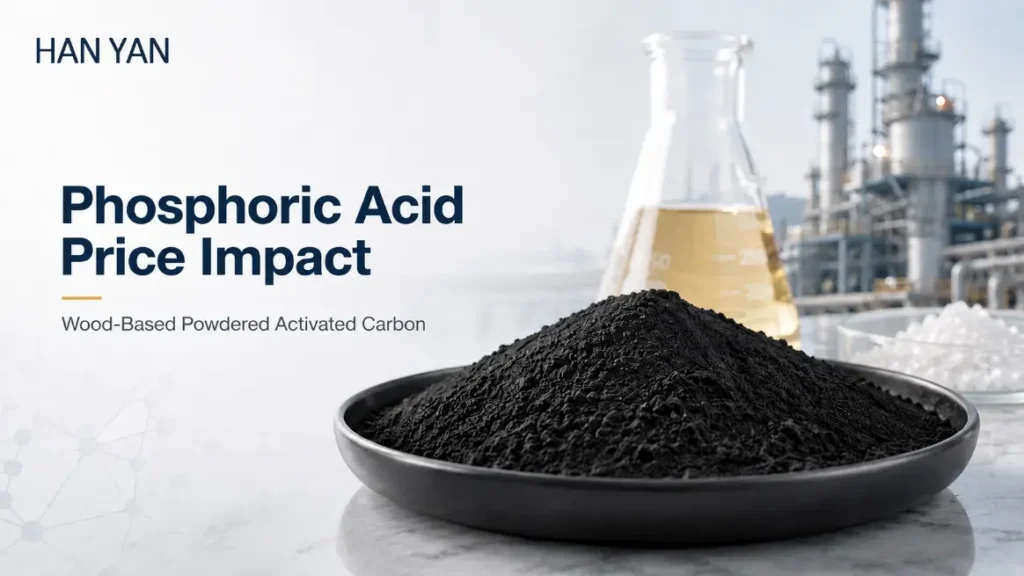
Rising phosphoric acid prices are increasing cost pressure on wood-based powdered activated carbon, especially for products produced through phosphoric acid activation. This article explains how raw-material market changes can affect activated carbon pricing, quotation validity, supply planning, and procurement decisions for decolorization and liquid purification applications.
Activated Carbon for Citric Acid Decolorization: Why Wood-Based Powder Carbon Is Commonly Used
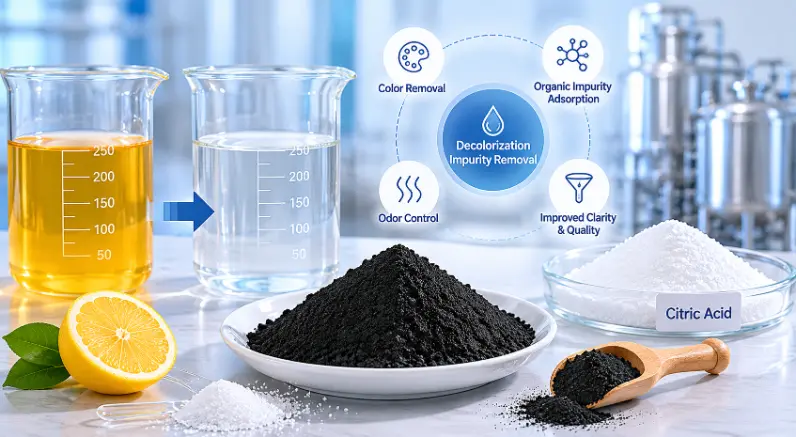
Citric acid production often requires decolorization and impurity removal after fermentation and purification steps. Wood-based powdered activated carbon is commonly used because it provides strong decolorization performance, fast adsorption, and good compatibility with liquid-phase food and fermentation processes. Selecting the right activated carbon grade can help improve solution clarity, reduce color bodies, and support stable final product quality.
Wood-Based Activated Carbon for Gelatin Decolorization and Purification
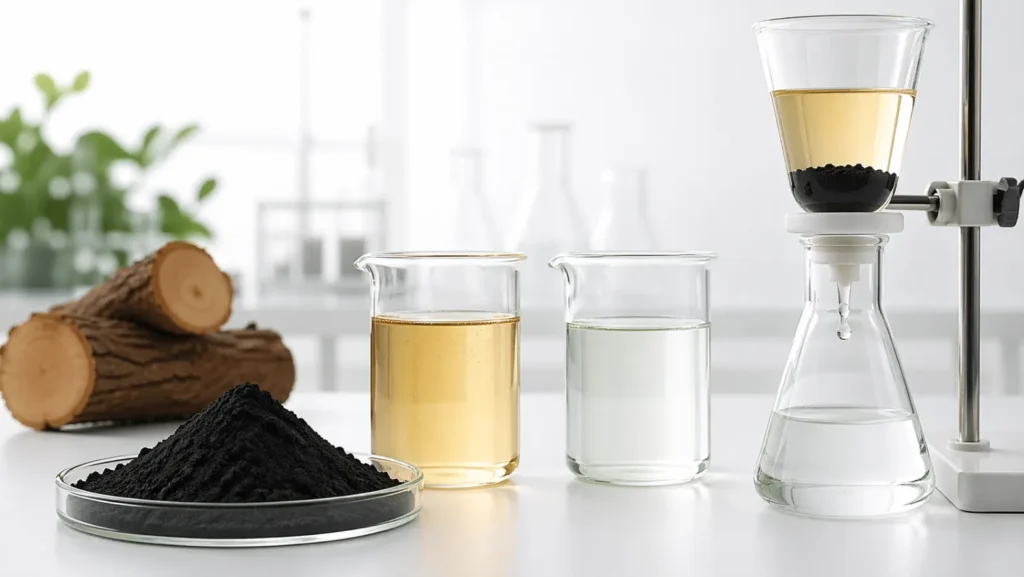
Gelatin purification often requires effective decolorization and impurity removal to improve product appearance and quality consistency. Wood-based activated carbon is widely used in this process because of its developed pore structure, strong adsorption capacity, and suitability for liquid-phase purification. This article explains why wood-based activated carbon is commonly selected for gelatin decolorization and what users should consider in practical applications.
How Wood-Based Powdered Activated Carbon Supports Pharmaceutical Wastewater Treatment
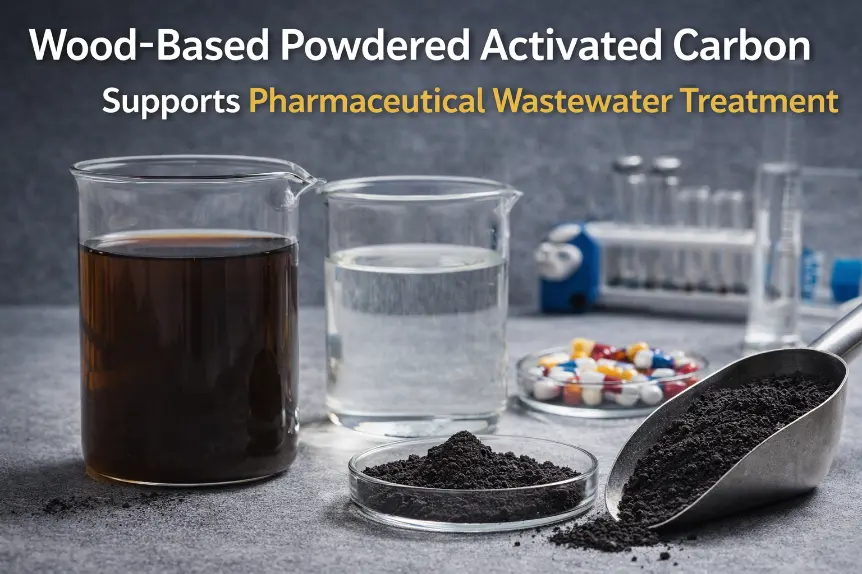
Wood-based powdered activated carbon is often used as a flexible treatment aid in pharmaceutical wastewater systems. This article explains where it fits, what it can help remove, and what buyers should consider when selecting a grade.
Why Wood Powder Activated Carbon Is Widely Used for Decolorization in Food and Ingredient Processing
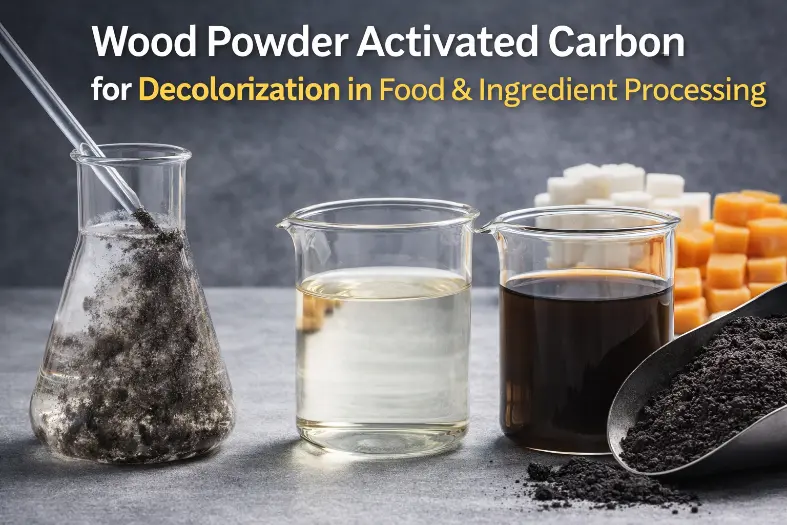
Wood powder activated carbon is widely used in food and ingredient processing because it can help remove unwanted color bodies and organic impurities efficiently. This short article explains why it is commonly selected and what buyers should evaluate when choosing a grade.
Factors Affecting Decolorization Efficiency of Wood Powder Activated Carbon
This article explains the major factors influencing the decolorization efficiency of wood powder activated carbon, including raw material properties, activation parameters, pore structure, dosage, temperature, pH, impurities, mixing, and filtration. It offers practical guidance for industries such as food processing, pharmaceuticals, chemicals, and biotechnology to achieve stable and high-quality decolorization performance.