Methylene Blue Value vs Iodine Number: How to Select Wood-Based Activated Carbon for Decolorization
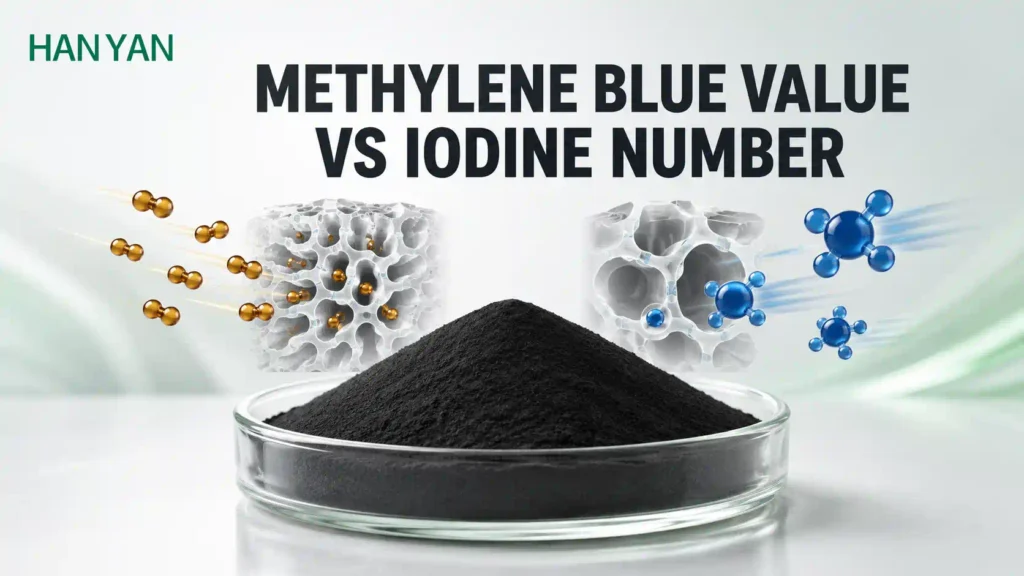
Iodine number alone cannot determine the decolorization performance of wood-based activated carbon. Learn how methylene blue value, pore structure and application testing should be evaluated together.
Activated Carbon for Glycerin Purification: Decolorization, Odor Removal and Carbon Selection
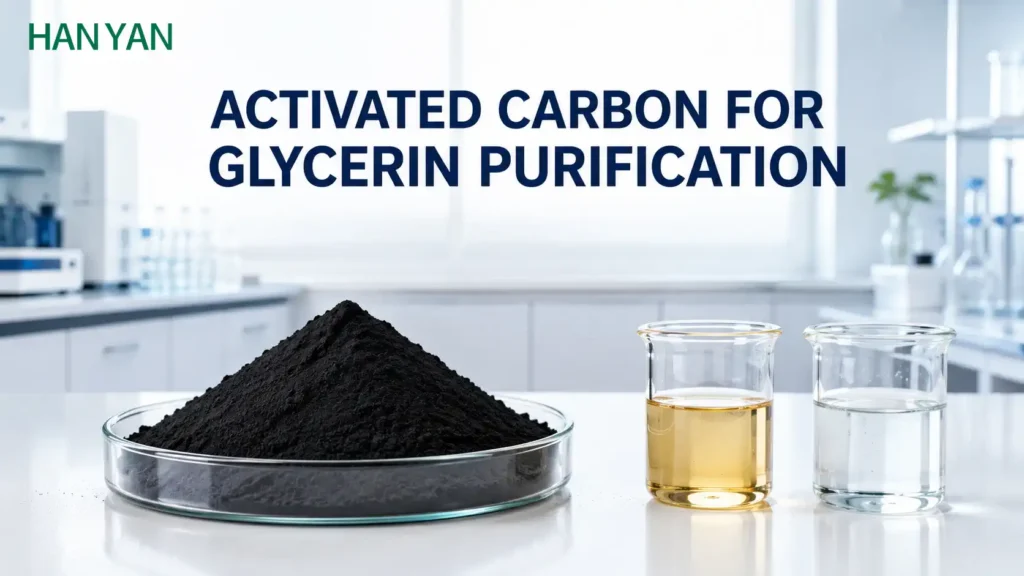
Wood-based powdered activated carbon helps remove color, odor and trace organic impurities during glycerin refining. Proper carbon selection and process testing are essential for achieving consistent purification results.
Correlation Between Iodine Number and Decolorization Efficiency in Wood Activated Carbon
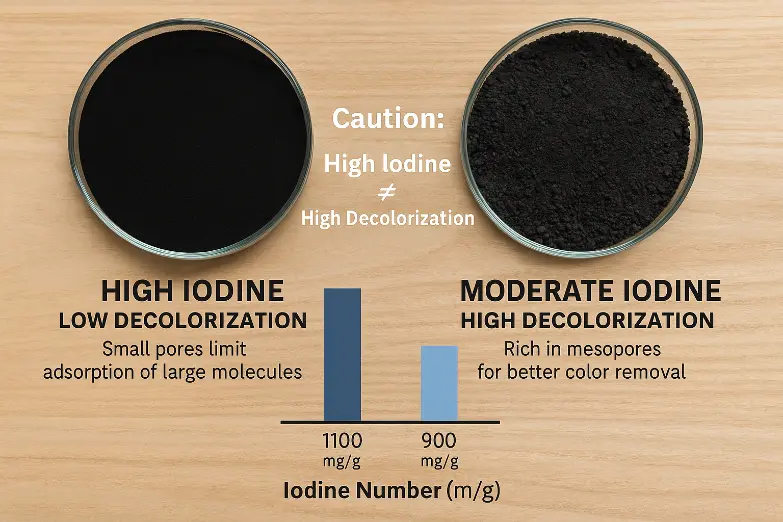
This article explores the relationship between iodine number and decolorization performance in wood-based activated carbon. It explains why iodine number alone is insufficient for evaluating liquid-phase applications and provides guidance on how to select the right carbon for high-efficiency color removal.
How to Choose the Right Mesh Size of Powdered Activated Carbon (PAC)
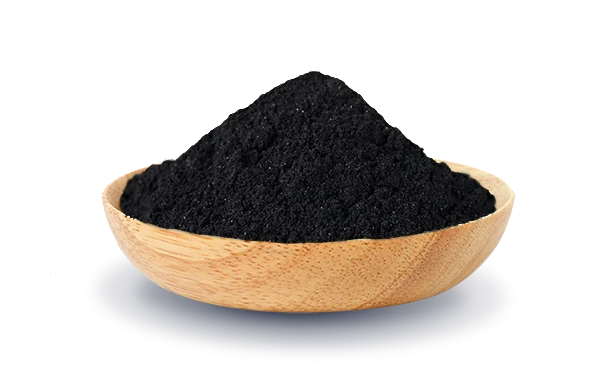
Wood-based powdered activated carbon plays a vital role in industries such as water treatment, food processing, and pharmaceuticals. This article explores how to choose the right type based on application-specific needs like particle size, adsorption capacity, and purity.
Powdered Activated Carbon for Wastewater Treatment: Why Wood-Based Carbon Is a Top Choice
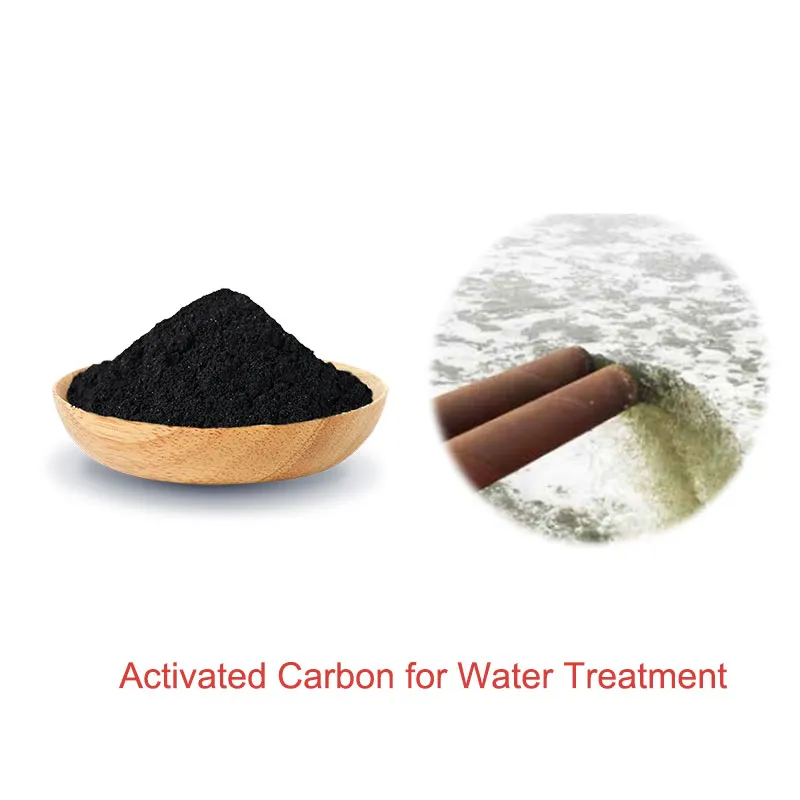
Wood-based powdered activated carbon (PAC) is an effective, eco-friendly solution for wastewater treatment in industries such as textiles, chemicals, and food processing. Compared to coal-based PAC, wood-based carbon offers faster adsorption, lower ash content, and greater compatibility with dye and COD removal applications. This article explores the benefits, usage methods, and typical applications of wood-based PAC for industrial effluent treatment.