
Wood vs Coconut Shell Activated Carbon: Which Is Better for Decolorization?
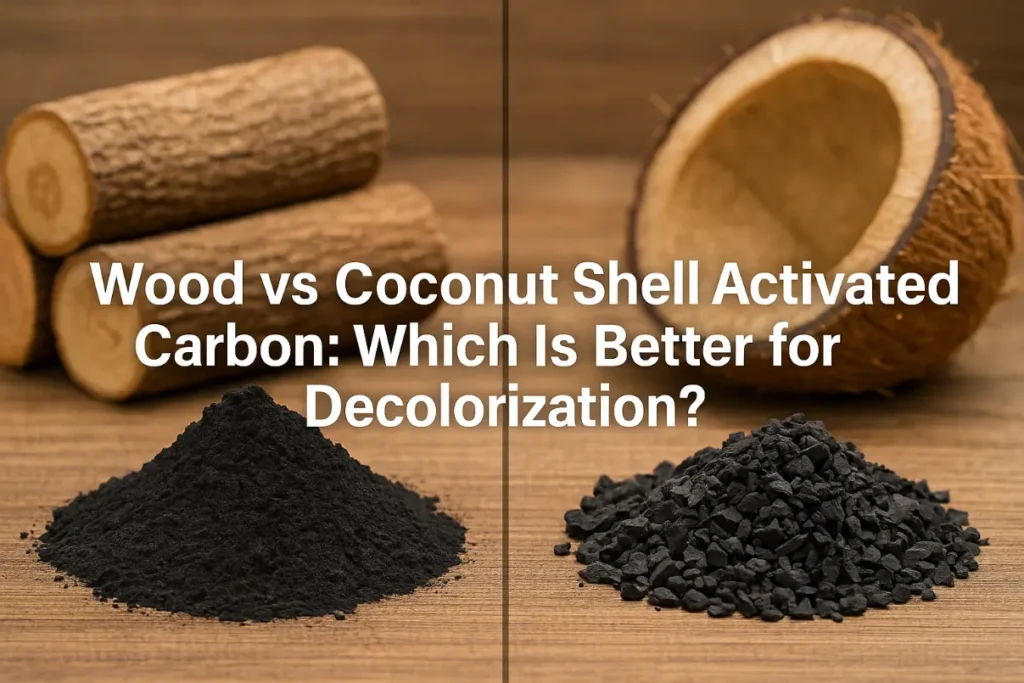
This article compares wood-based and coconut shell activated carbon in decolorization applications. It explains how differences in pore structure, adsorption speed, viscosity tolerance, dosage, and cost affect performance, and explains why wood-based activated carbon is usually the preferred choice for food, pharmaceutical, and chemical decolorization processes.
Factors Affecting Decolorization Efficiency of Wood Powder Activated Carbon
This article explains the major factors influencing the decolorization efficiency of wood powder activated carbon, including raw material properties, activation parameters, pore structure, dosage, temperature, pH, impurities, mixing, and filtration. It offers practical guidance for industries such as food processing, pharmaceuticals, chemicals, and biotechnology to achieve stable and high-quality decolorization performance.
Top Industries Using Wood-Based Activated Carbon | Food, Pharma, Biotech & More
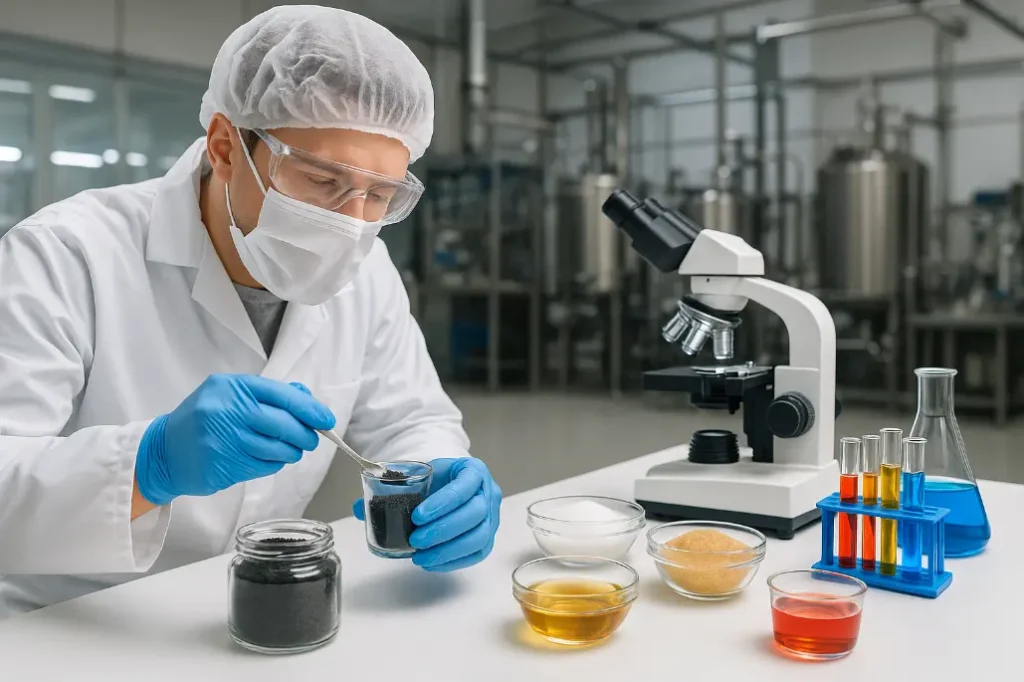
Explore how wood-based activated carbon powers purification processes in food, pharmaceutical, biotechnology, and cosmetic industries, offering eco-friendly, high-efficiency performance.
Correlation Between Iodine Number and Decolorization Efficiency in Wood Activated Carbon
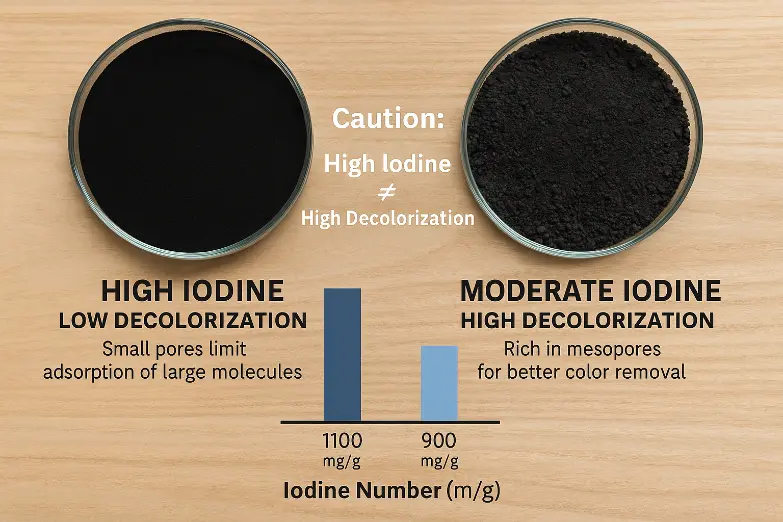
This article explores the relationship between iodine number and decolorization performance in wood-based activated carbon. It explains why iodine number alone is insufficient for evaluating liquid-phase applications and provides guidance on how to select the right carbon for high-efficiency color removal.
Activated Carbon for Lactose Refining
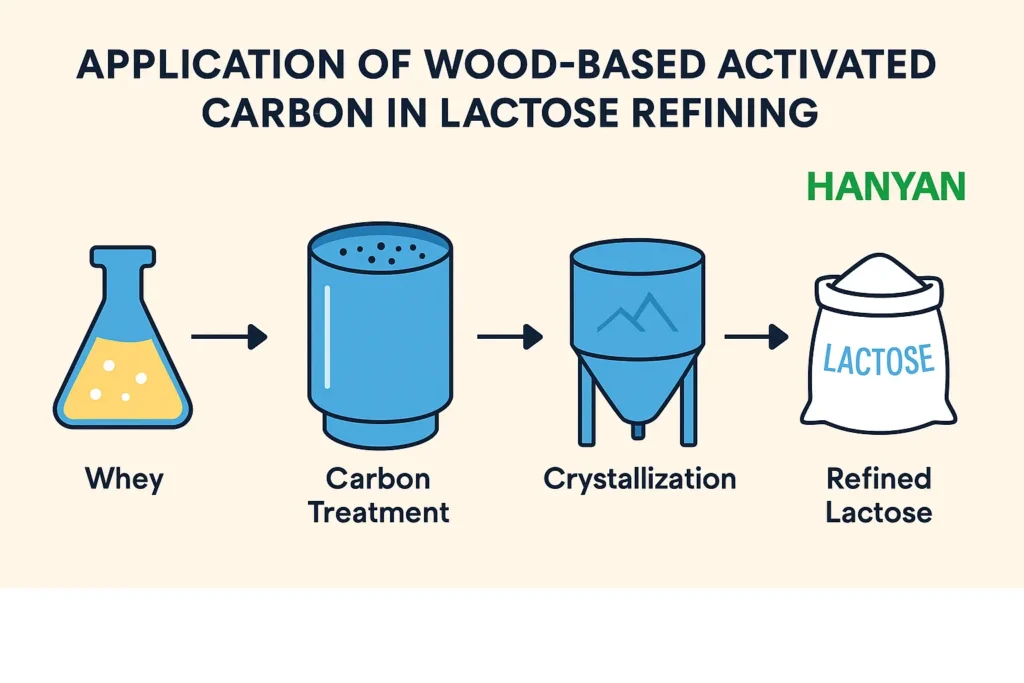
Explore how wood-based activated carbon improves lactose purity, color, and odor removal in dairy processing. Discover HANYAN’s food-grade solutions for pharmaceutical lactose production.
Activated Carbon for Natural Sweetener Processing: Erythritol and Stevia

Wood-based activated carbon plays a vital role in refining natural sweeteners like erythritol and stevia. From removing color pigments to eliminating fermentation odors and off-flavors, it ensures food-grade purity, better crystallization, and improved consumer acceptance. This article explains the purification process, benefits of wood carbon, and best practices for industrial application.